Luxury Cruising
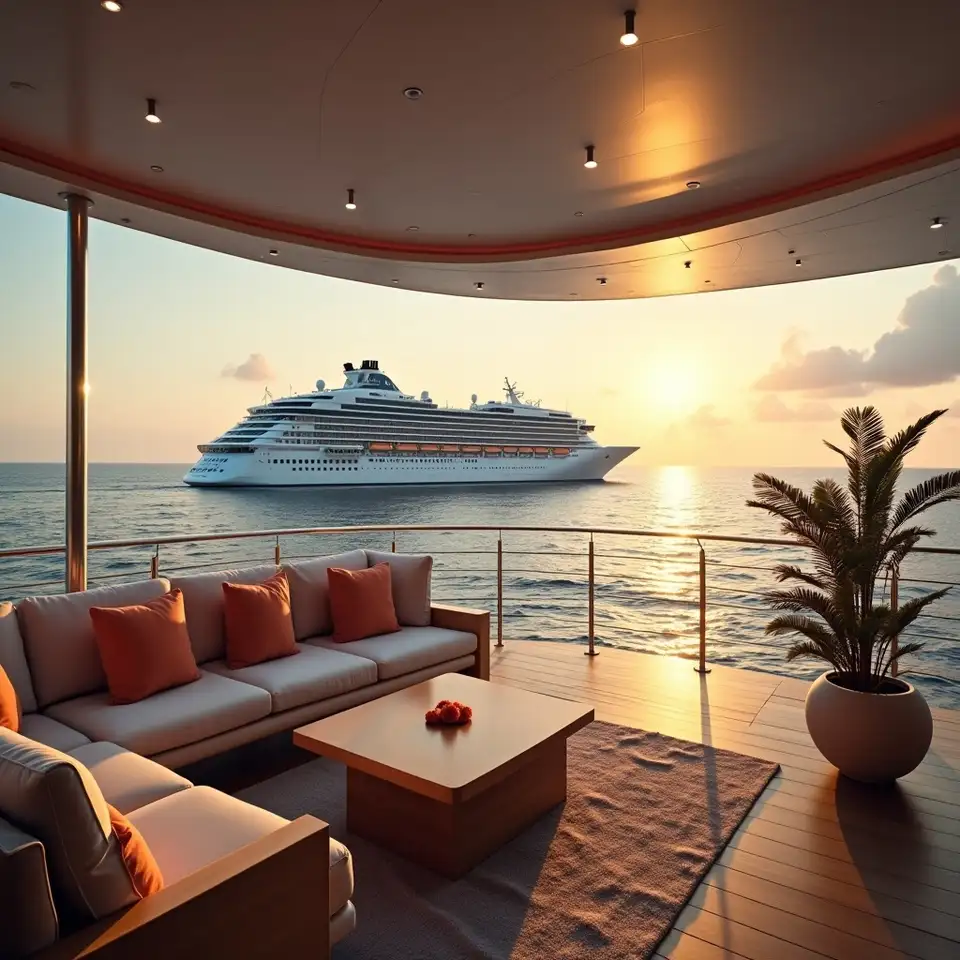
Suite Living
A suite on a premium cruise ship is a different product from a standard cabin — not merely a larger room but a distinct mode of travel. Butler service, priority embarkation, reserved restaurant access, and a private outdoor space that functions as an extension of the cabin all contribute to an experience that moves at a noticeably different pace from the general ship population.
Premium Lines
Luxury and premium cruise lines operate smaller ships that access ports unavailable to the large resort vessels. Fewer passengers means quieter public spaces, more attentive service ratios, and an onboard atmosphere that suits travellers who find large-ship energy exhausting rather than energising. The trade-off is a higher per-night fare, which we help you assess honestly against what the experience actually delivers.
River Cruising in Asia
Ocean cruising and river cruising attract different types of traveller, and the distinction is worth understanding clearly before deciding between them. A river cruise operates on an entirely different scale — vessels carry between one hundred and two hundred passengers, move slowly through inland waterways, and dock in the centre of towns and cities rather than at a commercial port several kilometres from the main attractions. The Mekong River connects Vietnam and Cambodia through a landscape that has changed relatively little over decades, with floating villages, riverside temples, and rice paddies visible from the sun deck at a pace that allows genuine observation rather than a brief glance before the next port call. The Irrawaddy in Myanmar and the Chindwin offer a similarly unhurried perspective on a country whose river communities remain largely removed from the international tourism circuit that has reshaped coastal Asia. These itineraries suit travellers whose primary interest is cultural immersion rather than destination accumulation. The ship carries far fewer passengers, docking allows direct access to village centres without a transfer, and the pace of movement between stops reflects the rhythm of the river rather than a scheduled port rotation. For Malaysian travellers with limited annual leave, a seven or eight night river cruise delivers a depth of experience that a port-heavy ocean itinerary rarely matches within the same timeframe. The practical considerations differ from ocean cruising as well — cabin sizes are smaller, onboard entertainment is limited, and the experience skews toward daytime exploration rather than evening programming. We help travellers assess whether the trade-offs suit the kind of holiday they are actually looking for.
Solo Cruise Travel
Cruising solo is a more practical option than most first-time solo travellers expect. The social structure of a cruise ship — shared dining, organised excursions, and communal public spaces — creates natural opportunities for conversation without requiring any particular effort or social confidence. A fixed dining room seating places you at a table with other passengers for the duration of the voyage, and most people are on holiday and happy to talk. The practical obstacle for solo cruisers has historically been the single supplement — a surcharge applied by cruise lines when a double occupancy cabin is booked by one person. This supplement varies considerably between operators. Some charge the full double rate; others apply a reduced surcharge; a small number of lines offer dedicated solo cabins sized and priced for one passenger without any supplement at all. We identify which operators and itineraries provide the most straightforward solo arrangements, so the decision is based on actual costs rather than assumptions. Solo travellers also tend to prefer itineraries with more port stops and active shore excursions, finding that days at sea carry different value when there is no travel companion to share them with. This is a reasonable preference that we factor into itinerary recommendations for single travellers. Shore excursions also serve a social function for solo cruisers — small-group excursions frequently generate friendships that extend beyond the individual port stop and occasionally for the remainder of the voyage. The cruise format, when chosen well, suits solo travel more naturally than most alternatives.
Four Considerations That Define a Premium Cruise Experience Worth Paying For
Destinations That Only Smaller Ships Can Reach
A premium vessel with a shallow draft and compact dimensions accesses anchorages and port towns that the largest cruise ships cannot enter. For travellers whose primary motivation is reaching less-visited destinations, ship size is not a comfort decision — it is an itinerary decision. The right vessel unlocks the route; the wrong one excludes it entirely regardless of fare.
A Service Model Built Around Fewer Passengers
When a ship carries seven hundred passengers rather than five thousand, the crew-to-guest ratio changes fundamentally. Staff remember preferences, respond to requests quickly, and provide service that feels personal rather than procedural. This distinction is difficult to appreciate from a brochure description but immediately apparent from the first evening on board a well-run premium vessel.
All-Inclusive Fares That Simplify the Total Cost
Premium operators who bundle drinks, gratuities, and specialty dining into a single fare remove the daily decision-making that characterises mainstream cruise spending. The financial benefit depends on how much you would spend individually on each element, but the psychological benefit — knowing the voyage is paid for before you board — is consistent and underrated as a factor in overall holiday satisfaction.
Expedition Voyages
An expedition cruise is a distinct product from both mainstream and luxury ocean cruising, and understanding the difference prevents a significant mismatch between expectation and experience. Expedition vessels are purpose-built for remote itineraries — reinforced hulls for polar waters, Zodiac landing craft for shore visits where no pier exists, and a permanent crew of naturalists, historians, and specialists whose role is to interpret the destination rather than to entertain passengers. The onboard atmosphere reflects this purpose. Cabins are functional rather than opulent, evening programming leans toward lectures and briefings for the following day's landings, and the passengers who book these voyages are generally more interested in what is outside the ship than inside it. For Malaysian travellers, expedition itineraries in accessible Asian waters — the Indonesian archipelago, the Andaman Islands, or remote Philippine island groups — offer a level of destination access that no other travel format provides. A Zodiac landing on a beach that receives perhaps two hundred visitors per year produces a different experience from a port stop shared with three thousand fellow passengers. The practical considerations for expedition cruising differ from standard advice. Fitness matters more, since Zodiac transfers and shore landings require mobility and balance. The weather and sea conditions affect the itinerary more directly than on a mainstream cruise, and flexibility about specific landing sites is built into the product rather than being an exception. We advise on expedition itineraries for travellers who have genuinely outgrown what standard cruise routes offer.
Premium and Expedition Cruise Experiences in Asia
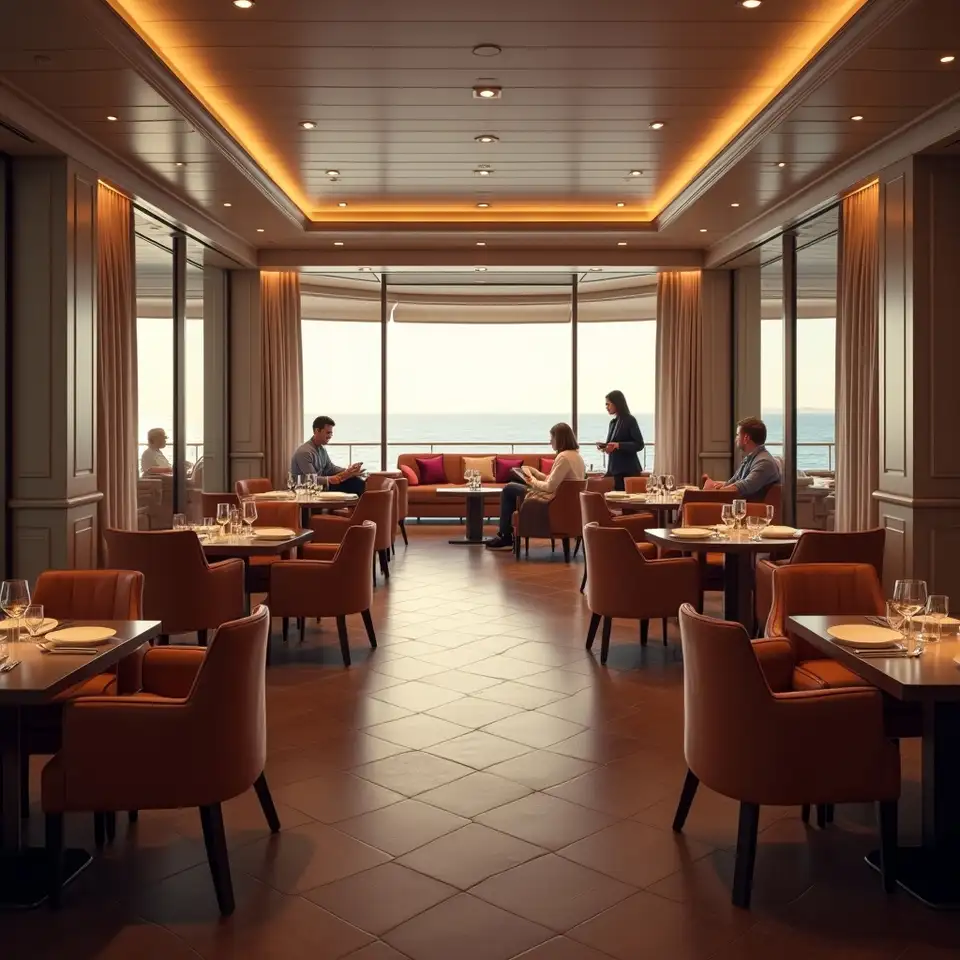
The Atmosphere of a Premium Small Ship
A lounge designed for two hundred passengers feels different from one designed for five thousand. The space is quieter, the furniture better considered, and the view from the window is not competing with a crowd. This is the fundamental character of premium small-ship cruising — an atmosphere that reflects considered design rather than volume management.
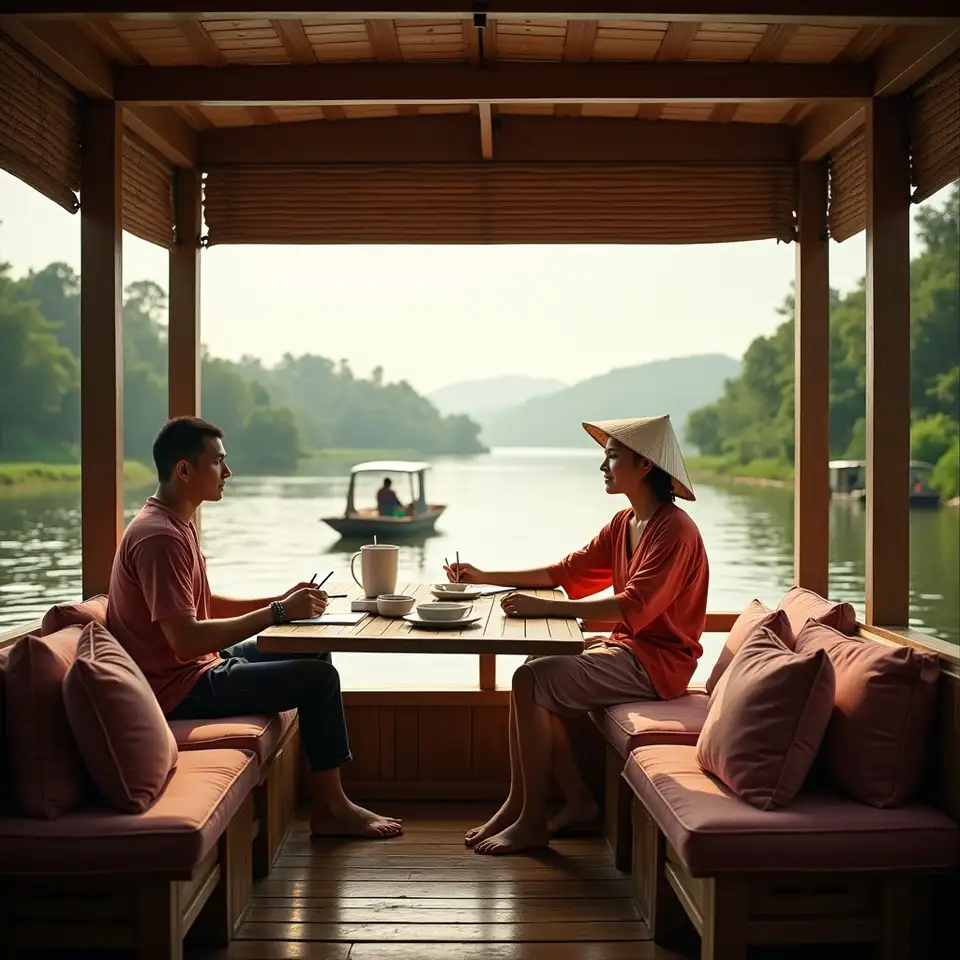
River Cruising the Mekong Through Vietnam
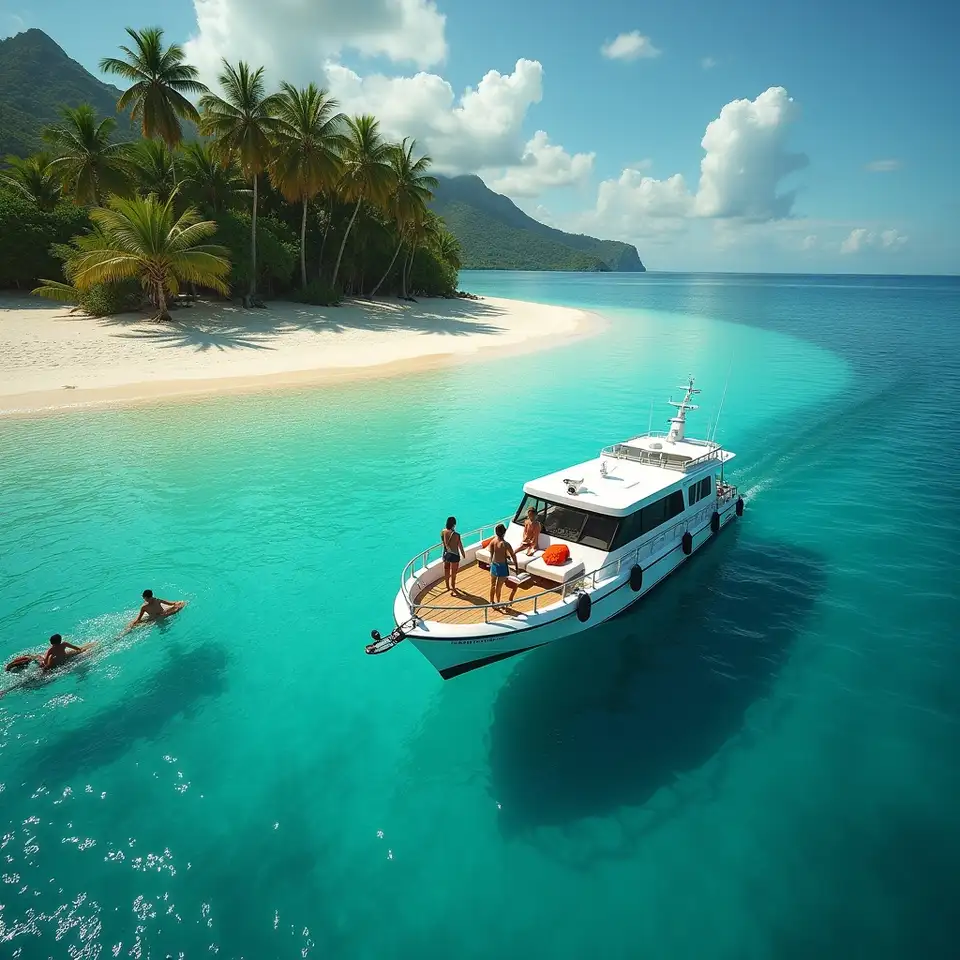
Expedition Landing on an Uninhabited Indonesian Island