Quorionaris
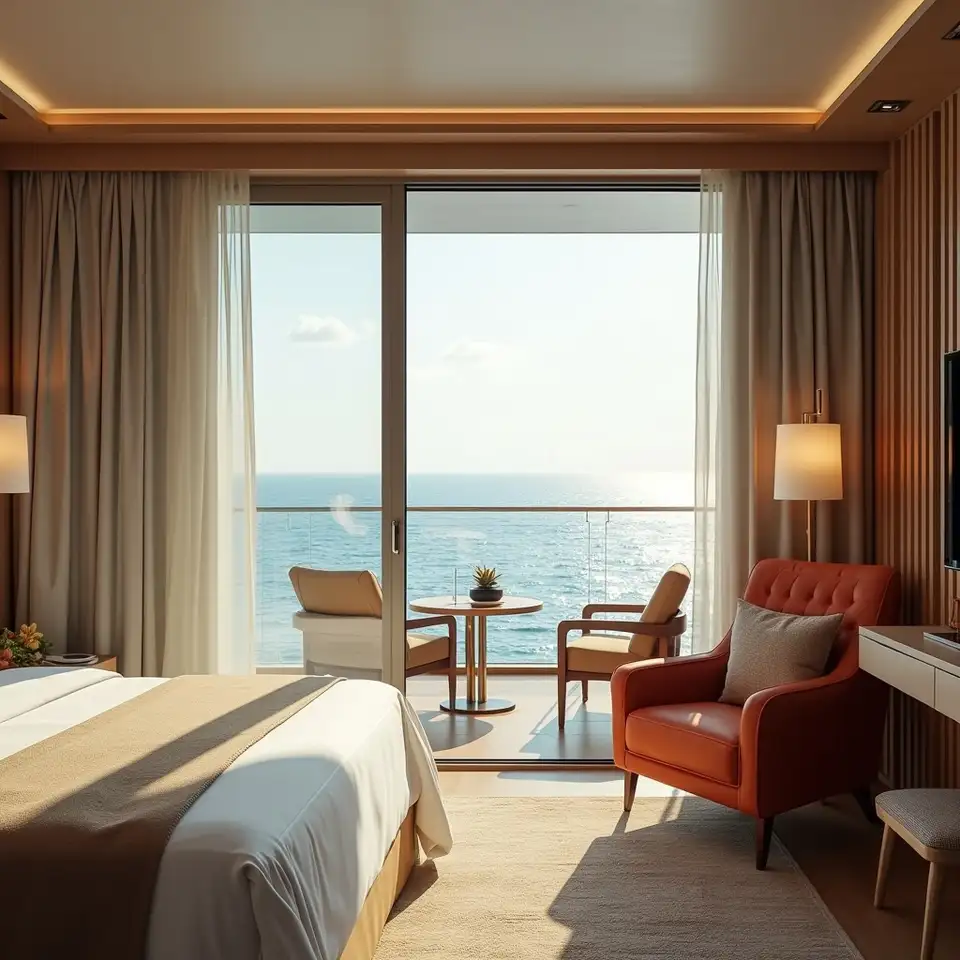
luxury cruise ship balcony suite ocean view

Plan Smarter

What separates a memorable cruise from a frustrating one is preparation, not luck

The difference between a cruise that exceeds expectations and one that disappoints almost always traces back to decisions made before boarding — which ship, which itinerary structure, which cabin category, and how port time is allocated. Our team works through each of these decisions with you in a structured conversation before any booking is confirmed. You board knowing exactly what to expect.
Book Today

Family Cruising Guide

A cruise holiday works differently for families than it does for couples or solo travellers. The ship's design, the itinerary length, and the onboard children's programme all shape whether the experience actually delivers rest for the adults.

What Families Should Evaluate Before Booking a Cruise

  • How Children's Programmes Work on Large Ships: Most large cruise ships operate age-segmented programmes for children, typically divided into groups covering toddlers through to early teens. Supervision is provided by dedicated staff, and activities run throughout the day. The quality and hours of operation vary significantly between cruise lines — something worth investigating before booking rather than discovering after boarding with a seven-year-old.
  • Choosing an Itinerary Length That Works for All Ages: A ten-night voyage suits adult travellers who can decompress across several sea days. For families with younger children, a shorter itinerary of five to seven nights with consistent daily variety often produces a better experience. We help families match voyage length to the realistic attention span and stamina of the youngest travellers in the group.
  • Cabin Configuration for Families Travelling Together: Standard staterooms are designed for two adults. Families of three or four require connecting cabins, family staterooms, or suite configurations that accommodate additional berths. Availability of these room types varies between ships and fills early during school holiday periods. We identify the right layout before the options narrow.
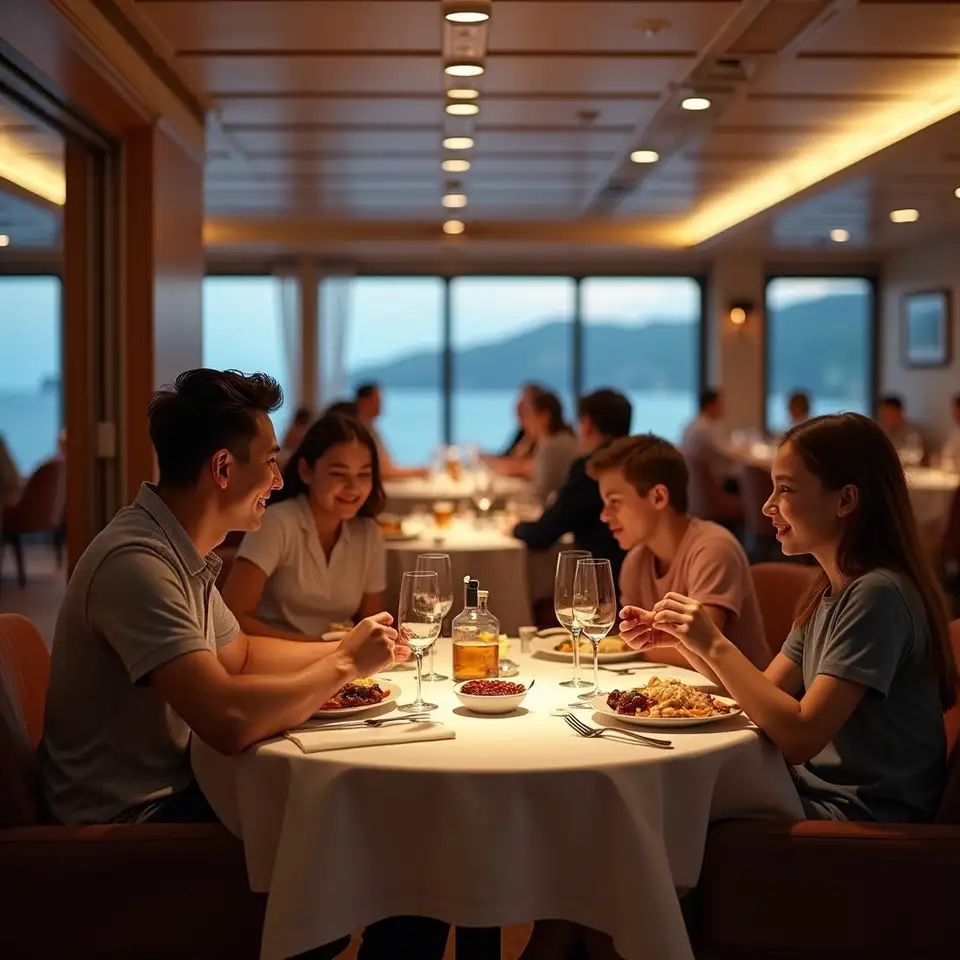
  • Dining Arrangements That Work With Children on Board: Fixed early seatings in the main dining room suit families with younger children who cannot comfortably manage a late evening meal. Buffet options provide flexibility on days when schedules are less predictable. Specialty restaurants with separate charges are better reserved for adult evenings when the children's programme is running. Knowing the dining structure in advance allows families to plan their evenings without daily negotiation.
  • Which Ports Are Genuinely Suitable for Family Shore Visits: Some ports reward families with beaches, accessible cultural sites, and well-organised excursions that hold children's attention without exhausting them. Others are primarily adult-focused destinations where the main attractions — heritage walking tours, local food markets, night-time entertainment — do not suit young travellers well. We flag this distinction for every port on the itineraries we recommend to families.
  • How to Budget a Family Cruise Accurately From the Start: A quoted cabin rate rarely reflects the full cost of a family cruise. Children's fares, shore excursion costs per head, onboard spending on drinks and activities, and gratuity structures all add to the total. We build a realistic cost picture for the full group before any booking is made, so the final spend matches what the family planned for rather than arriving as a surprise on disembarkation morning.
  • Teen Travellers and Onboard Social Environments: Teenagers on a cruise occupy a different position from younger children — too old for the supervised kids' club but potentially disconnected on a ship whose atmosphere skews toward adults. The best cruise lines for this age group operate dedicated teen lounges with age-appropriate evening programmes. Itineraries with active port stops also help, giving older children and teenagers something to engage with ashore.

Family Cruise Planning Essentials

This guide addresses the specific planning decisions that matter most when booking a cruise for a family rather than a couple or solo traveller. Cabin configuration, children's programme quality, itinerary length, dining flexibility, and port suitability all carry different weight when children are part of the group. The content here draws on direct familiarity with the ships and routes that consistently perform well for families travelling from Malaysia and the broader regional market. Our aim is to give you an honest, practical view of each decision point before you commit.

Why Family Cruise Planning Requires a Different Conversation

A cruise that suits two adults travelling independently rarely suits a family of four. The ship's scale, the onboard atmosphere, the dining schedule, and the port itinerary all need to be assessed through the lens of how children of different ages will actually experience them. We have this conversation specifically with families, rather than applying a generic cruise recommendation and hoping it translates across age groups.

Onboard Life for Families

The design logic of a family-friendly cruise ship is worth understanding before you book. On ships that cater well to families, the children's areas are physically separated from adult spaces — not by policy alone but by layout. This separation is intentional: it allows adults to sit by a pool without competing with a water slide queue, and it gives children dedicated zones designed for their age group rather than adapted adult spaces. The best ships take this further by offering teen lounges with their own programming, evening events that run parallel to adult entertainment, and outdoor areas that function differently depending on the time of day. Morning deck activity skews toward families; late evening skews toward adults. This rhythm becomes apparent within the first day and shapes the experience significantly. Dining on a family-oriented ship accommodates the reality that children eat earlier, eat differently, and eat less predictably than adults. Buffet venues provide the flexibility to feed a seven-year-old at five-thirty without disrupting a main dining room reservation. Fixed early seatings in formal dining rooms allow families to maintain a structured evening routine without keeping children up past a reasonable hour. Some ships offer room service at no additional charge, which solves the occasional evening when a child falls asleep before dinner and the parents would rather not abandon the cabin. None of this is complicated to navigate once you know the ship's layout and schedule in advance. The families who find a cruise genuinely restorative are almost always those who spent time understanding the ship before boarding it.

Cruising With Teenagers

A teenager on a cruise occupies a social position that most ships have taken some time to design around effectively. Too old for the structured children's club, not old enough for the adult bars and evening entertainment, and potentially resistant to any activity that feels organised by an institution — the teenage cruiser requires a specific kind of onboard environment to genuinely enjoy the voyage rather than merely tolerate it. The cruise lines that handle this well operate teen lounges that function as social spaces rather than supervised programmes. They are designed to facilitate the kind of unstructured socialising that teenagers seek — a place to meet other passengers their age without a scheduled activity forcing the interaction. Evening programming in these spaces runs later than the children's club hours, reflecting the different sleep schedules and social preferences of older adolescents. Itinerary structure also matters for this age group. A voyage with several active port stops — snorkelling, city exploration, beach time — gives teenagers something to engage with ashore and creates shared experiences that tend to become the highlight of the trip in retrospect. A ship-heavy itinerary with limited port activity works well for adults seeking rest but can feel confining for a teenager who has exhausted the ship's entertainment options by day three. We factor this into itinerary recommendations when families include older children, steering toward routes and ships that balance both needs without sacrificing either.

Three Reasons Families Who Plan Carefully Enjoy the Cruise More

The Right Ship Changes Everything for a Family

Two ships with identical price points and similar itineraries can deliver entirely different family experiences based on onboard design alone. One may have a dedicated family pool, a supervised evening programme, and connecting cabin availability. The other may have none of these. We identify the distinction before you book rather than leaving it to chance.

Port Selection That Accounts for Every Age Group

A port that is fascinating for adults can be exhausting or inaccessible for young children. We assess each port stop on a family itinerary specifically from the perspective of mixed-age groups — identifying which stops offer beach access, family-appropriate excursions, or simply a manageable walk from the pier to something worth seeing.

A Planning Conversation That Covers the Practical Details

Children's bunk configurations, early dining seatings, supervised evening programmes, and per-child shore excursion costs are the kind of details that do not appear prominently in cruise brochures but make a significant difference to a family's experience. We cover all of them in the initial planning conversation so you board with a clear picture of the voyage ahead.

School Holiday Timing

Cruise prices during Malaysian school holiday periods reflect high demand — particularly for family staterooms and connecting cabins, which are limited in number on most ships. Booking early is the most effective way to secure both the right cabin configuration and a competitive fare before availability narrows.

The peak periods for family cruising from regional ports align broadly with Malaysian school calendars. Itineraries departing over year-end holidays and mid-year breaks fill considerably faster than the same routes in quieter months. The itinerary you want in August may not be available in June at the same price.
We advise families on the optimal booking window for their preferred itinerary based on current availability patterns. Acting several months ahead of a planned departure typically opens more cabin options, better deck positions, and the ability to select dining seatings that suit a family's evening routine from the start.
family relaxing together on cruise ship deck

Family Cruise Moments

A selection of the experiences that make a family voyage memorable rather than merely manageable
1 / 3