Quorionaris
couple on cruise ship balcony morning

Plan Your Voyage

Speak with a cruise specialist who knows the region firsthand

Planning a cruise takes more than browsing a website. Cabin categories, port schedules, embarkation logistics, and onboard dining options all carry practical consequences that a brochure rarely explains clearly. Our team works through these details with you before any booking is made, so your expectations match your experience from the first day to the last. Whether you are sailing for the first time or comparing itineraries for your next voyage, the conversation starts here.

Book Today

Cruise Destinations Explained

Asia's cruise region covers thousands of miles of coastline, dozens of distinct port cultures, and itineraries ranging from three nights to three weeks. Understanding the differences matters before you commit.

Key Topics Every Cruise Traveller Should Understand Before Booking

  • How Asian Cruise Itineraries Differ From European Routes: European cruises often move port to port at high speed across relatively short distances. Asian itineraries frequently involve longer sea passages between destinations, which changes the rhythm of the voyage significantly. Sea days are not wasted time — they are part of the experience — but travellers who expect constant port activity may find the pacing unfamiliar until they adjust.
  • Why Departure Port Selection Shapes the Entire Voyage: Sailing from Penang or Port Klang rather than flying to Singapore or Hong Kong to board changes your trip before the ship even leaves the pier. Regional departures reduce pre-voyage fatigue, lower total costs, and open up shorter itineraries that fit a typical annual leave window. We help you weigh the departure options available from Malaysian ports against the itineraries each one unlocks.
  • Understanding Cabin Categories Beyond the Price Tag: Inside cabins, oceanview rooms, balcony staterooms, and suite categories each come with trade-offs that go beyond cost. Position on the ship affects motion sensitivity. Deck level influences noise and convenience. Balcony cabins provide private outdoor space that becomes genuinely valuable on longer voyages. We explain these distinctions plainly so you choose based on how you actually use a cabin rather than on marketing descriptions.
  • What Onboard Dining Actually Looks Like in Practice: Most large cruise ships offer a mix of included dining venues and optional specialty restaurants charged separately. The main dining room typically operates on two seatings or open-seating arrangements, each with its own social dynamic. Buffet options vary significantly in quality between cruise lines. Knowing what is included in your fare and what carries an additional charge prevents frustration once you are on board.
  • Shore Excursions Versus Independent Port Exploration: Cruise-organised shore excursions guarantee your return to the ship on time but often cover the same sights in the same order for every passenger. Independent exploration gives you more flexibility and frequently costs less, but it requires research and reliable local transport. We advise on which ports reward independent travel and which are better navigated through an organised excursion, based on safety, distance, and time constraints.
  • Travel Documentation Requirements for Regional Itineraries: An Asian cruise itinerary often crosses multiple national borders within a single voyage. Malaysian passport holders face different entry requirements at each port of call — some offer visa-on-arrival, others require advance applications, and a small number have health documentation requirements. We review your planned route and flag anything that needs attention before your departure date, so nothing holds you up at the gangway.
  • How to Evaluate a Cruise Line Beyond the Marketing: Cruise lines differ in meaningful ways: service culture, onboard atmosphere, dining philosophy, entertainment style, and the demographic they cater to most naturally. Some lines suit families travelling with young children; others are designed around adult-only relaxation. The right line for one traveller is the wrong line for another. We help you identify which operator aligns with how you travel rather than which one is currently running the most prominent advertising campaign.

What This Guide Covers

This page covers the practical knowledge that shapes a cruise booking decision for Malaysian travellers — from itinerary structure and departure port logistics to cabin selection, dining arrangements, documentation requirements, and how to assess cruise lines honestly. The goal is to give you a clear, unfiltered view of what each decision involves before any commitment is made, so the voyage matches your expectations rather than a sales pitch. We draw on direct experience with the routes, ships, and ports covered here.

What Makes Asian Cruising Worth Understanding on Its Own Terms

Asian cruise itineraries operate on a different logic from the Mediterranean or Caribbean circuits that dominate most travel coverage. Ports are further apart, cultures shift dramatically between stops, and the onboard demographic often reflects regional rather than Western preferences. Lines catering to this market adjust their dining, entertainment, and service style accordingly. For Malaysian travellers, this regional focus is an advantage — ships departing from nearby ports with Asian dining options and multilingual crew members are genuinely more accessible, and the destinations they reach are among the most culturally rich available anywhere in the world.

Ports of the Region

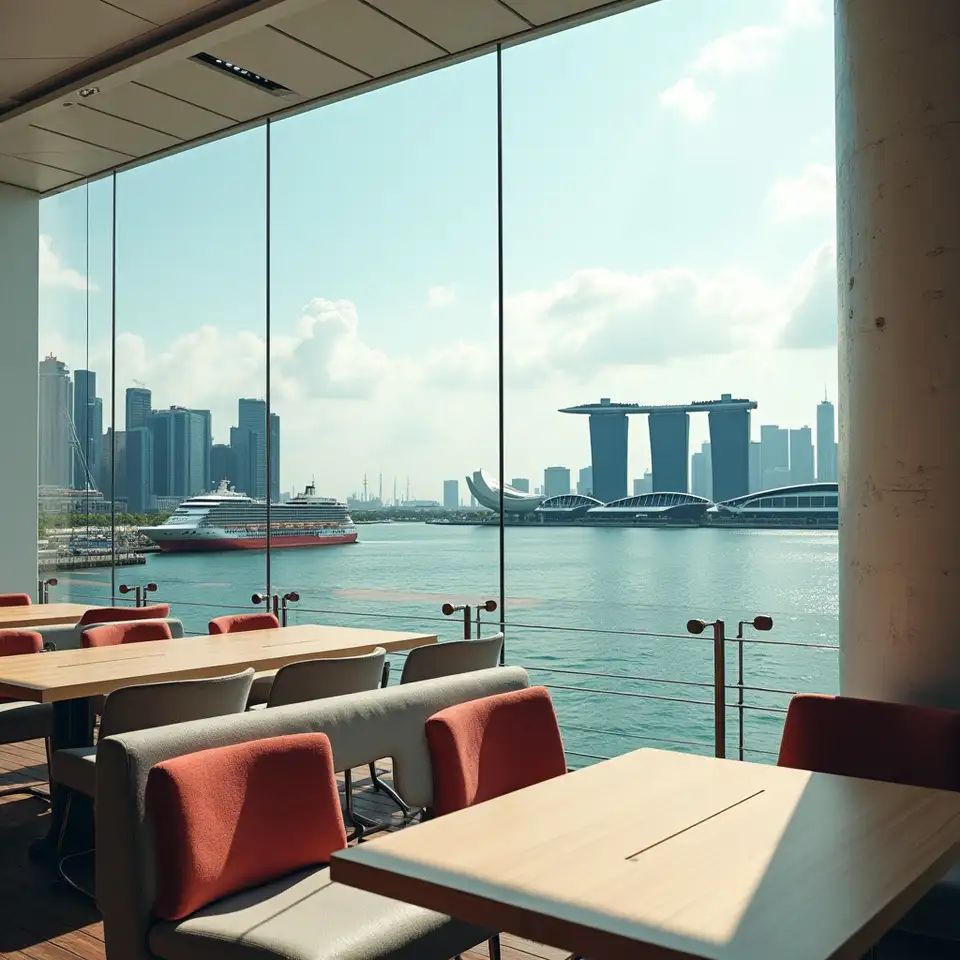
A cruise itinerary through Southeast and Northeast Asia can connect an extraordinary range of port experiences within a single voyage. Penang rewards walking — its UNESCO heritage zone sits within easy reach of the pier, and the food culture alone justifies a morning ashore. Singapore functions as both a home port and a destination, with a cruise terminal well connected to the city centre. Bangkok operates via Laem Chabang, which requires a transfer but opens access to one of Asia's most layered cities. Da Nang provides a gateway to Hoi An, a town that absorbs slow exploration far better than it handles rushed tour groups. Phuket anchors Thailand's Andaman coast on itineraries that also include Krabi and Koh Samui, depending on the route and season. Further north, Japan cruise itineraries connecting Osaka, Hiroshima, and Nagasaki cover history and urban culture in a format that would take weeks to replicate independently. Each of these ports carries its own practical considerations: how far the tender or pier sits from the main attractions, how much time the ship actually allows ashore, and whether the port rewards independent travel or benefits from a structured excursion. We cover these distinctions for every port on any itinerary we recommend, so you arrive with a clear plan rather than an hour spent deciding at the gangway.

passengers relaxing on cruise deck sea day
Sea Days

Time Between Ports

Most travellers underestimate the value of a sea day. Without a port on the schedule, the ship becomes the destination — and a well-designed vessel fills that time without effort on your part.

The pool deck, the spa, the library, a reserved restaurant you have been meaning to try — sea days create the space to use the ship properly rather than simply sleeping and waking in it. After several consecutive port stops, a day at sea often feels like relief.

Four Things That Separate a Good Cruise Experience From a Disappointing One

2

A Ship Whose Onboard Culture Matches Your Expectations

Some ships are designed around families with young children, with supervised activity zones and early dining options built into the schedule. Others skew toward couples or solo adult travellers, with a quieter atmosphere and more evening-focused programming. Boarding the wrong ship for your demographic is a frustration that no excursion or cabin upgrade can fully fix. We match you to the right vessel from the start.

4

Port Plans That Use Your Time Ashore Effectively

A ship docking for six hours in a port city gives you enough time to see two or three things well or eight things poorly. We help you decide which stops merit a structured excursion, which reward independent walking, and which ports are better used as a rest day when the ship is quieter and the pier is crowded. Good port planning is the difference between a highlight and a wasted afternoon.

First-Time Cruisers

First-time cruisers often arrive on board with one of two misconceptions. The first is that the ship will feel claustrophobic — that days at sea with no way to leave will create a sense of confinement. The second is the opposite: that the ship will be so large and the itinerary so full that the experience becomes overwhelming and impersonal. In practice, most first-time cruisers find neither extreme accurate. Ships are designed to feel larger than they are on the inside, with open decks, multiple dining venues, and enough variation in atmosphere between areas that you can shift between a busy bar and a quiet reading lounge within two minutes of walking. The scale that feels intimidating in a deck plan shrinks quickly once you have learned the layout, which most passengers manage within the first day. The more useful preparation for a first cruise is practical rather than psychological. Understanding how embarkation works, when to arrive at the pier, what to expect from the muster drill, and how onboard charges are processed against your cabin account removes the friction from the first twenty-four hours. We walk first-time cruisers through each of these steps during the planning conversation, so boarding day feels straightforward rather than stressful. By the second morning, the routine is established and the voyage has genuinely begun.

Asian Cruise Ports Worth Knowing

1 / 3